


























The biographical interview is a qualitative research method that allows for the collection of detailed information about a person's life and experiences, paying particular attention to their personal history. This type of interview aims to elicit a spontaneous and authentic narrative, in which the interviewee recounts their life journey through significant events, moments of change, successes, and difficulties encountered.
One of the central aspects of a biographical interview is the relationship of trust established between interviewer and interviewee. The personal and intimate nature of this method requires that the interviewee feel comfortable and understood, free to express themselves without restrictions or judgment. The interviewer, for his or her part, uses open-ended, flexible, and experience-focused questions to help the interviewee reflect on themselves, their thoughts, and their emotions.
A brief history of the biographical interview
The biographical interview has origins dating back to the early 20th century, with the pioneering work of the Chicago School. Chicago sociologists, including William I. Thomas and Florian Znaniecki, pioneered the biographical methodology to explore the experiences of Polish immigrants in the United States, resulting in The Polish Peasant in Europe and America (1918). This study represented a breakthrough, proposing a new research methodology based on life histories as a tool for understanding social phenomena.
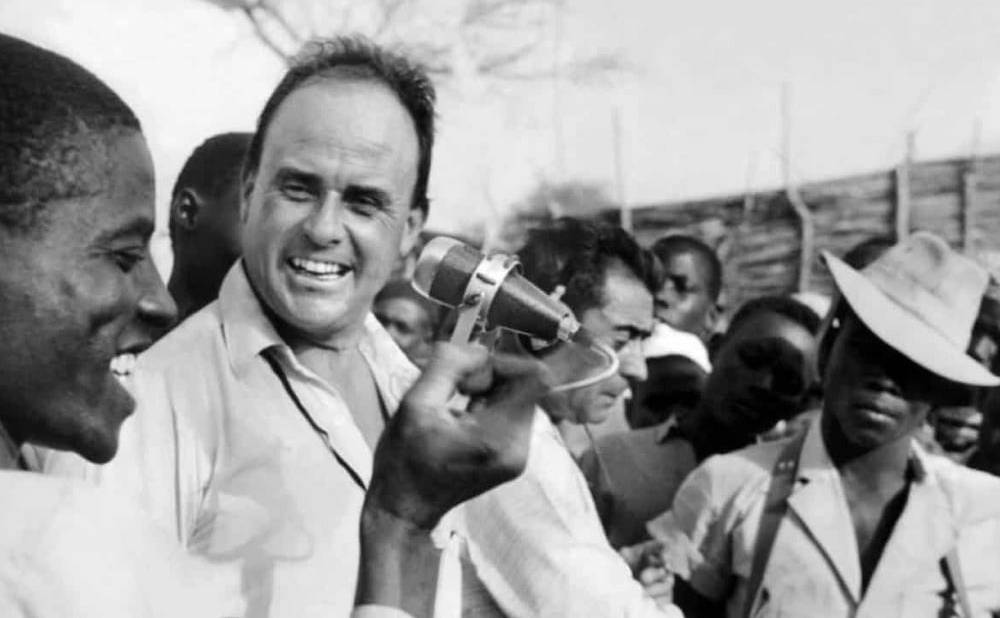
In the following years, the biographical interview gradually spread throughout Europe, especially in France and Germany. In the 70s and 80s, this technique was developed and refined by authors such as Daniel Bertaux, who used life stories to study social transformations and intergenerational mobility, and Fritz Schütze, who proposed a rigorous narrative method for analyzing biographies.
The biographical interview thus became a recognized method in the field of social sciences and consolidated itself as a fundamental tool for accessing personal experiences, the meanings attributed to life experiences, and the processes of identity construction.
Structure and design of the biographical interview
The structure of the biographical interview is based on several key principles that differentiate this technique from traditional interviews. The biographical interview does not follow a rigid or standardized structure; instead, it aims to encourage free and spontaneous narration from the interviewee, who can tell their story according to their own pace and narrative logic.
Main phases of the biographical interview
Following Rita Bichi's text on the topic, it is possible to divide the planning of the biographical interview into different phases:
- Preparatory phaseIn this phase, the researcher defines the research objective and the context of the interview, also planning the duration and type of relationship to be established with the interviewee. It is important to consider the interview setting, creating a comfortable and confidential environment where the interviewee feels comfortable sharing their story.
- IntroductionThe interview generally begins with an introduction by the researcher and an explanation of the research objectives. This phase is crucial for establishing trust and reassuring the interviewee regarding the confidentiality and use of the collected data.
- Interview coreThis is the central phase, in which a "generative question" is usually posed, inviting the interviewee to freely tell their story. The question is often very broad, for example, "Can you tell me your life story?" From this question onward, the interviewee is encouraged to recount their experiences, without too many interruptions, so as not to interrupt the narrative flow.
- In-depth phaseOnce the spontaneous narrative is complete, the researcher can ask some targeted questions to clarify, elaborate, or complete certain aspects of the narrative. During this phase, it is important for the researcher to maintain an empathetic attitude, respecting the interviewee's time and emotions.
- ClosureAt the end of the interview, the researcher thanks the interviewee and briefly summarizes some of the key points that emerged, expressing appreciation for the interviewee's willingness to participate. The closing should be handled delicately, so as to leave the interviewee with a positive memory of the experience.
The role of the researcher in the biographical interview
In the biographical interview, the researcher's role is different from that of other, more structured interview techniques. As Rita Bichi emphasizes, the researcher is not a mere observer, but becomes an active "participant," constructing a meaningful narrative together with the interviewee. The researcher must develop specific skills, such as empathetic listening and the ability to suspend judgment, to allow the interviewee to express themselves freely.
According to Bichi, the quality of a biographical interview depends on the researcher's ability to create an environment of trust that allows the interviewee to share intimate and personal details. This requires, in addition to technical training, a personal predisposition that fosters a welcoming atmosphere and mutual respect.
Storytelling as a tool for self-construction
One of the central aspects of the biographical interview is the concept of narrative as a tool for constructing and understanding the self. Indeed, telling one's story allows the interviewee to reflect on their experiences and attribute meaning to them. Biographical narrative, therefore, is not simply an act of memory, but an active process of interpreting experience, which allows one to process experiences, emotions, and changes throughout life.
This process of constructing the self through storytelling has been studied by numerous authors, including Jerome Bruner and Paul Ricoeur. According to Bruner, narration is not simply a way to organize memories, but a fundamental way in which people shape their identities. Ricoeur, for his part, emphasizes how narration allows us to construct a narrative self , which coherently connects the different stages of life.
Biographical interview analysis methodology
Rita Bichi proposes a specific analysis method for the biographical interview, which is based on two main phases:
- Content analysisThis involves systematically examining the story, identifying the main themes, key words, and narrative structures used by the interviewee. Bichi suggests dividing the story into thematic sections and identifying narrative sequences that represent significant moments in the interviewee's life.
- Interpretative analysisThis phase involves understanding the underlying meanings of the narrative, seeking to grasp the interviewee's intentions and perspective. Bichi proposes adopting a hermeneutic approach, which aims to interpret the interviewee's experiences based on the sociocultural context and historical moment in which they occur.
The analytical methodology proposed by Bichi is therefore very in-depth and aims to respect the authenticity of the narrative, avoiding reductive or stereotypical interpretations.
Examples of application of the biographical interview method
The biographical interview is an effective research tool for exploring individual experiences and identity processes in multiple social contexts. Among the primary fields of study are migration and cultural integration, where the biographical interview allows for insight into the adaptation experiences and integration challenges faced by migrants. Through the narratives of their lives, participants explore their adaptation to a new context, the difficulties encountered, the evolution of their sense of belonging, and changes in personal and family identity. This approach facilitates understanding differences between generations, offering a unique perspective on cultural identity.

Another area where this method is particularly fruitful is professional career and social mobility. By collecting work-life histories, researchers can analyze mobility patterns and intergenerational changes observed within their social and economic contexts. Individuals are invited to recount their career development, professional challenges, critical decisions, and moments of advancement or regression, allowing researchers to discover how social background, gender, and educational opportunities influence mobility and the perception of success.
Research in the field of health and family
The field of chronic illness also finds biographical interviews a valuable exploration tool. Through the stories of patients with chronic conditions, we analyze not only the impact of the disease on daily life, but also their personal and social perception of their health. This type of investigation can focus on acceptance of the diagnosis, changes in social and work life, and the strategies implemented to manage the disease in the long term. The narrative thus paints a clear picture of psychological adjustment and the support networks activated, facilitating a deeper understanding of patients' emotional and relational dynamics.
Family transitions and separations represent another field of study in which biographical interviews can be used to understand how individuals rework their roles and identities after a separation. Collecting these stories offers a direct glimpse into the relational and personal changes experienced in the transition from a stable family structure to a new post-separation dimension. The narratives reveal the emotions, conflicts, and challenges that emerge in building new dynamics and reorganizing the parental role, highlighting individual and family resilience.
Research in the field of reintegration and adolescence
Among the most complex research examples are the social and occupational reintegration paths of ex-offenders. The biographical interview, in this case, allows for insight into the process of reintegration into society and the reconstruction of post-prison identity. By telling their stories, ex-offenders explore the difficulties they faced in finding employment, rebuilding support networks, and dealing with social stigma. This type of research facilitates understanding the factors that influence the success of the reintegration process and identifies the resources needed for stable reintegration.
Finally, the biographical interview is widely used to study identity construction in adolescence . Adolescents' life stories help explore how they interpret their experiences in school, family, and social settings. Interviewees recount their challenges, peer influence, moments of exclusion or discrimination, and the process of discovering their own identity. These narratives provide insight into the dynamics of belonging, recognition, and self-construction during such a crucial stage of individual development.
Why use the biographical interview?
The biographical interview is a powerful investigative tool in the social sciences, allowing for an in-depth exploration of the complexity of human experience and identity construction processes. The methodological proposal outlined here offers a useful framework for designing, conducting, and analyzing this type of interview, placing the interviewee's experience and the researcher's active role at the center.
The biographical interview becomes not only a research method, but a relational experience that helps give value to each individual's life story , providing a unique tool for understanding social changes, family dynamics, and identity transformations.
References

Lecturer in Communications and HR Management. Journalist with a degree in Sociology (cum laude). Editor-in-Chief of Sociologicamente.it.
PUBLICATIONS | LINKEDIN


