



















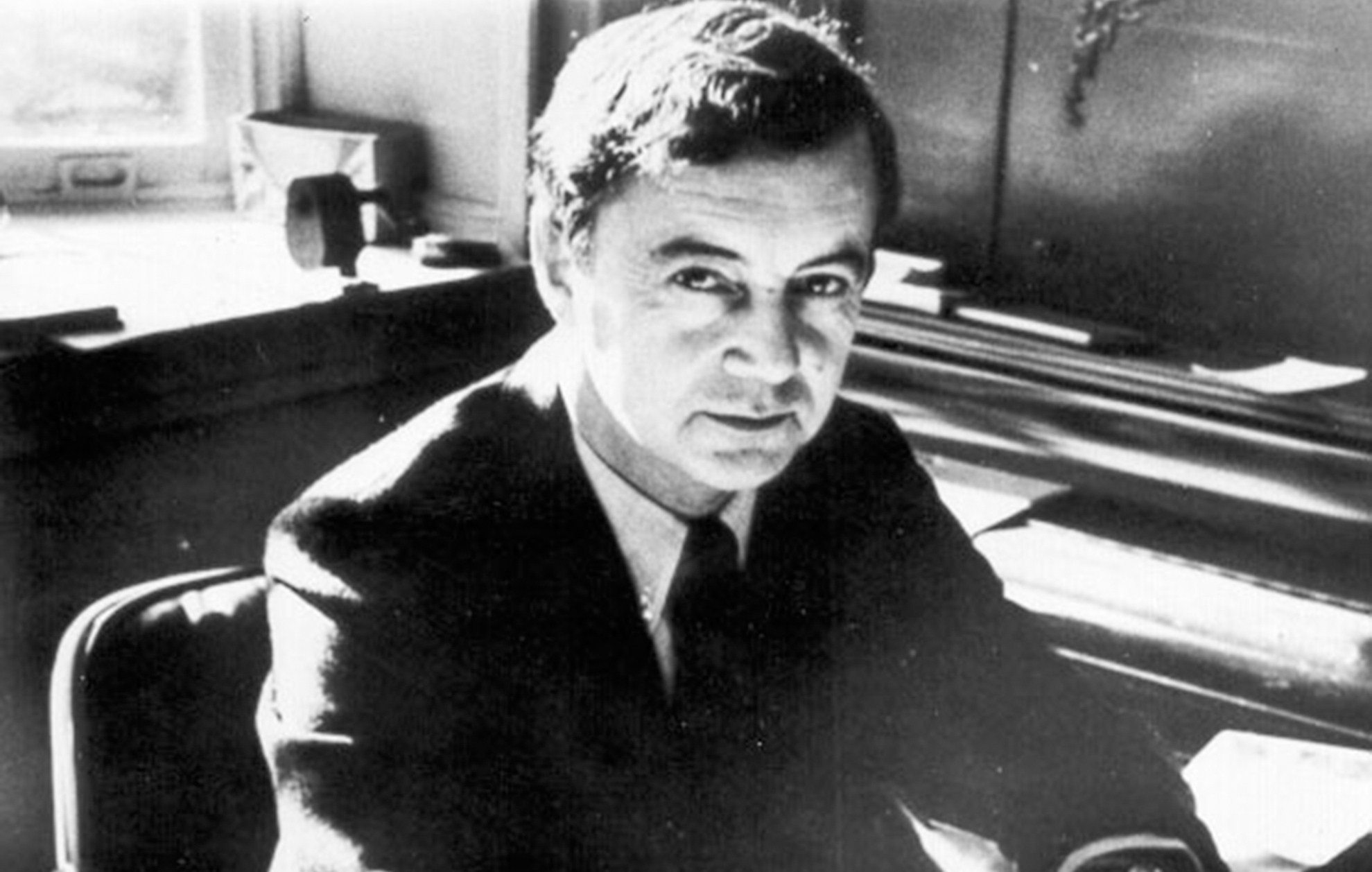
Erving Goffman was born in Manville, Canada, on June 11, 1922. Goffman's main contribution to social theory is his formulation of symbolic interaction in his work The Presentation of Self in Everyday Life (1959). For the Canadian sociologist, social life is, in fact, a representation (he is in fact speaking of a dramatic metaphor ), which social groups stage in front of other groups. Social life is thus divided into stage and backstage spaces , that is, private spaces, in which individuals do not "perform," and public spaces in which they instead stage a specific performance. Naturally, backstage behavior contradicts public behavior: an insecure person, for example, may assume a bold attitude in public, but appear vulnerable only backstage (for example, in the family).
Audience and performance groups

Society, Goffman argues, is divided into audience and performance groups (where each individual, depending on the situation, belongs to both audience and performance groups). To belong to a group, therefore, one must share its backstage, which is the space in which the public performance is prepared . Sharing the backstage, however, means above all knowing the group's secrets, that is, information that, if disclosed outside, would make the performance less credible. In this regard, Erving Goffman cites the example of waiters at a hotel in the Shetland Islands (where he conducted his research). He observed that the performance group of waiters, in front of their audience (i.e., the restaurant's customers), staged a performance, appearing deferential, respectful, and discreet. This happens in a "stage" space (i.e., where the audience is present): while in the "backstage" space (the hotel kitchen) hidden from the public, waiters behave in a completely different way, much more informal and disrespectful. If a waiter were to tell the audience of customers the group's secrets—how waiters prepare dishes, how they eat, or how they mock customers—the group itself would be destroyed, because its representation would appear false and unbelievable. Secrets must therefore remain within the group: and for this reason, the group itself must include, by definition, all the people who are privy to these secrets. Therefore, belonging to a social group means above all sharing its secrets , that is, its wealth of knowledge. According to Goffman, therefore, social life is based on the demarcation of the boundaries between stage and backstage. The audience group must not access backstage situations that contradict public behavior.
The works of Erving Goffman in Sociology
In addition to Everyday Life as Performance , Erving Goffman was the author of other important works. After taking on the role of scientific observer at the National Institute of Mental Health in Bethesda, Maryland, he began the research that led to the writing of Asylums: Essays on the Social Situation of Mental Patients and Other Inmates (1961). This is a perceptive analysis of the importance of social structure in producing conforming behavior, especially within environments that Goffman labeled “ total institutions ,” such as mental asylums, prisons, and military consortia. Also noteworthy is his last work, Forms of Talk (1981), in which he continues his original metaphor of the theater. Erving Goffman died in Philadelphia on November 19, 1982, at the age of 60.
Sociologically
© ALL RIGHTS RESERVED


