

























The role of local authorities has undergone profound changes in recent decades: in addition to administrative functions, they have begun to take on responsibility by implementing policies to promote local economic development, testing their ability to raise the resources needed to support the local economy through efficient intervention planning and the thoughtful use of financing instruments. Each territory expresses its own capacity to contribute , and the existence and strengthening of shared development visions among local stakeholders can help trigger virtuous development mechanisms and produce a widespread impact at the regional level, potentially having positive repercussions at the national level.
Knowing how to read economic development
Planning the economic development of an area requires profound reflection not only on the analytical methodology to be applied, but also, and above all, on the planning objectives themselves, which cannot ignore the broader economic landscape. An essential prerequisite is understanding, understanding, and planning development, taking into account the relationships between public bodies, society, and the territory, responsible for the process of promoting and managing space and resources: economic growth can only occur if the quality of life is improved sustainably, implying the ability to sustain the reproduction of global capital, composed of economic , human , and natural capital , over time . Development projects often encounter resistance and opposition from local communities, who perceive investments as a risk rather than a strategic improvement, believing the benefits to be beneficial to others.
The case of the NIMBYs

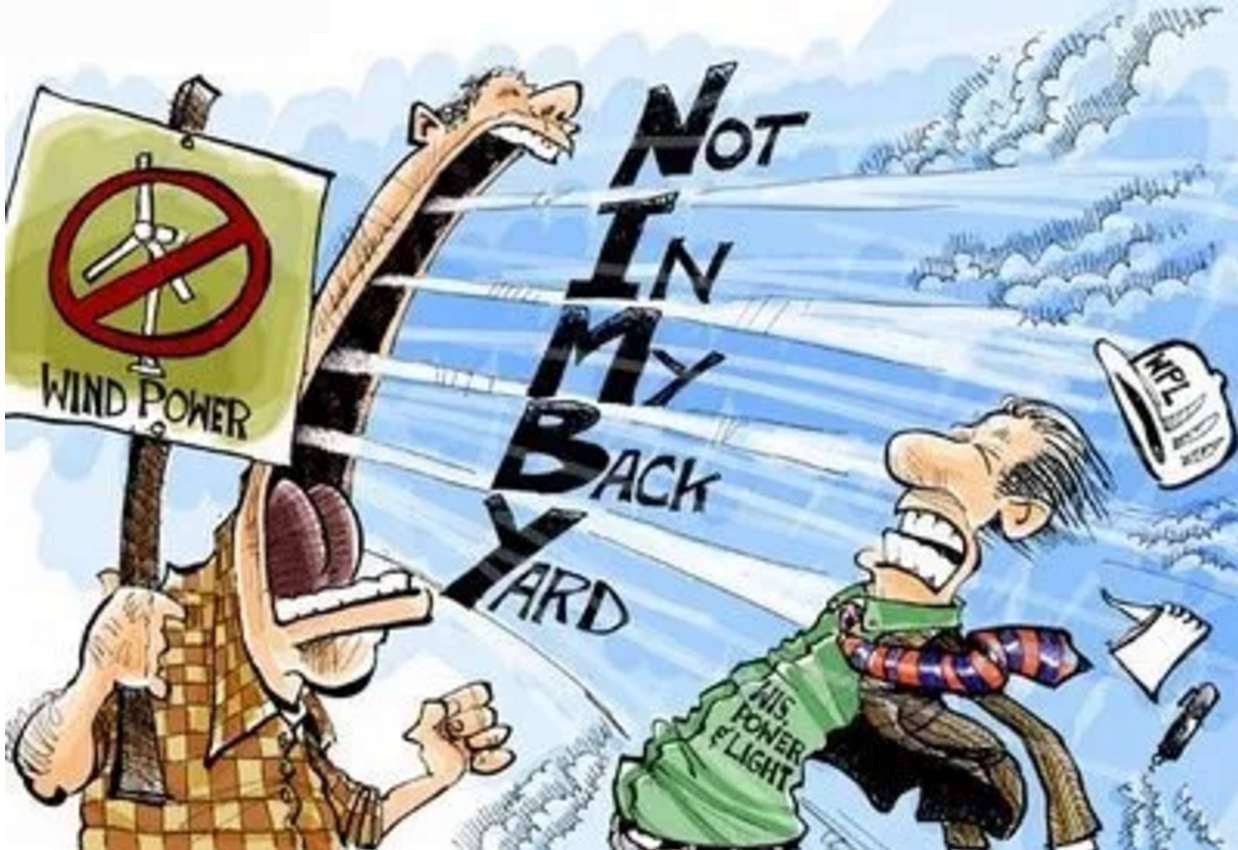
The NIMBY ( Not In My Back Yard ) issue is part of localized territorial conflicts: local movements opposing the project justify their protests in terms of the health implications for the community and the environmental impact of the project itself. But the protests don't necessarily refer to the plant alone, as opponents often don't doubt its usefulness, but rather demand that the project be built elsewhere: local residents fear and believe that the project's benefits would benefit the entire national community, while the costs, including the risks to health and the environment, would be borne solely by local communities. It would also be preferable to participate in the siting of a plant and be involved in issues concerning the needs and usefulness of the plants, since having little influence on decisions leads local communities to experience feelings of marginalization and oppression, to the point of defining the project as unwanted, believing, as already reiterated, that the overall benefits are less than the sum of the disutilities that the community itself must endure.
Opposition from the local community
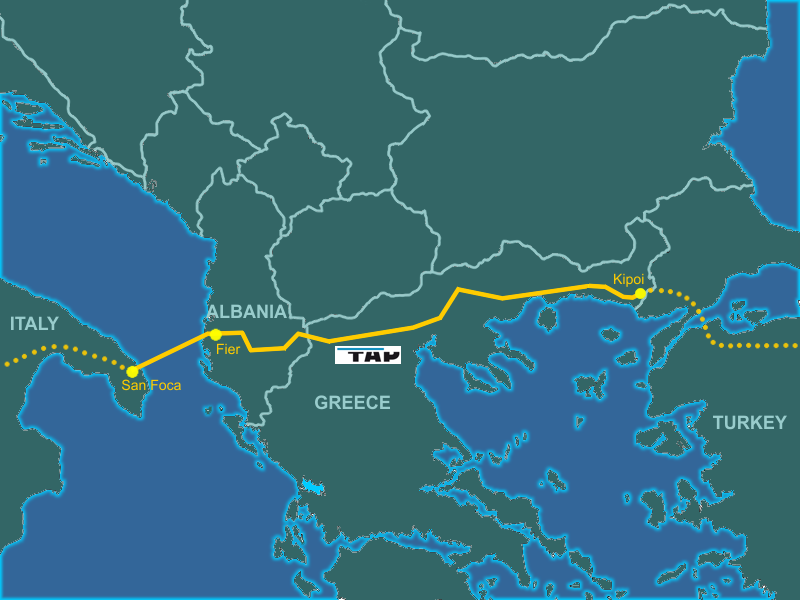
The Trans-Adriatic Pipeline (TAP) gas pipeline project, which aims to transport Azerbaijani gas from the Caspian Sea to Italy, has provided our communities with a new perspective, essential for implementing careful risk assessment and prevention measures, since serious accidents could have severe consequences for the ecosystem and marine environment. Opposition movements object to the pipeline's construction in Puglia , citing landscape protection and sustainable tourism , concerned that the TAP pipeline's construction could deviate from the ideal of eco-friendly development. In short, territorial development, despite the guarantee of investment to improve the quality of the territory in terms of economic rather than environmental development, is met with staunch opposition from local residents. They resist, deeming the project useless in their area, fearing the costs involved, and hope it will be located elsewhere.
From NIMBY to PIMBY and vice versa
The situation in the Taranto area is emblematic, with the establishment of the large industrial giant. The Ilva steelworks, initially strongly supported by locals, citing the PIMBY effect ( Please In My Back Yard , a positive attitude in which infrastructure is considered a key factor in the local system's competitiveness with respect to other realities), with the eruption of the environmental issue and the inability to adapt the steel industry's operations to current European regulations on pollution, has led to a reevaluation of the entire merits of keeping the industry operating. Although the damage caused by a potential closure of the plant would impact employment and income, especially at the national and European levels, various social groups are fighting for a free and clean Taranto, advancing alternative solutions to the Ilva steelworks with green economy projects.
Francesca Porcelluzzi


