

























December, the holiday season... and the rush for gifts. And as always, the editorial staff is here to help with #readingtips , a short list of books to consider for gift-giving and for yourself as we await the new year. A new addition to those of 2020 and 2022 , with new, hot-off-the-press texts that we believe are the best books for this Christmas 2023.
Christmas Books 2023: Work, Technology, and Freedom
The first text to consider is "Work, Technology, and Freedom: Time and Space of Work in the Age of Digital Intelligence" by Anna Maria Ponzellini. In our post-pandemic era, work has changed forever. The internet, the metaverse, and new AI-driven platforms are transforming the way we work.
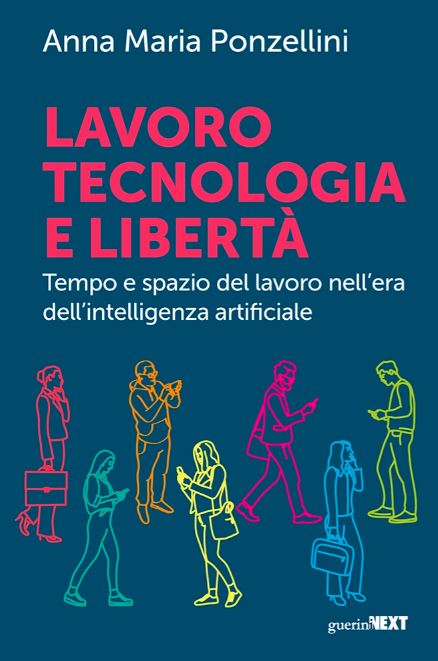
This book explores the spatial and temporal transformations of work, including the results of remote working experiments and changes in working hours, and the emergence of the Industry 4.0 paradigm. How will it change the quality of our lives? What will tomorrow's labor struggles be? And how should policymakers behave to ensure fair and dignified working arrangements for all? This text will surely soon become an indispensable resource for understanding the prospects of work in the digital age.
Young people in universities
The second book we invite you to explore is "The Latest Arrivals: Working-Class Youth in the Mass University" by Ciro Cangiano. This volume brings together the results of qualitative research aimed at investigating the mechanisms of production, reproduction, and legitimation of inequalities in the university environment. The underlying idea of the work is that the exponential growth of the student population recorded in our country since the 1960s, along with the progressive consolidation of the norm of continuing studies, has not marked a decline in class and gender imbalances in tertiary education, but has rather changed their nature. Indeed, while the process of massification of the university has opened the doors of academia to the underprivileged classes, it has also given rise to new and more complex forms of hardship, marginalization, and exclusion.
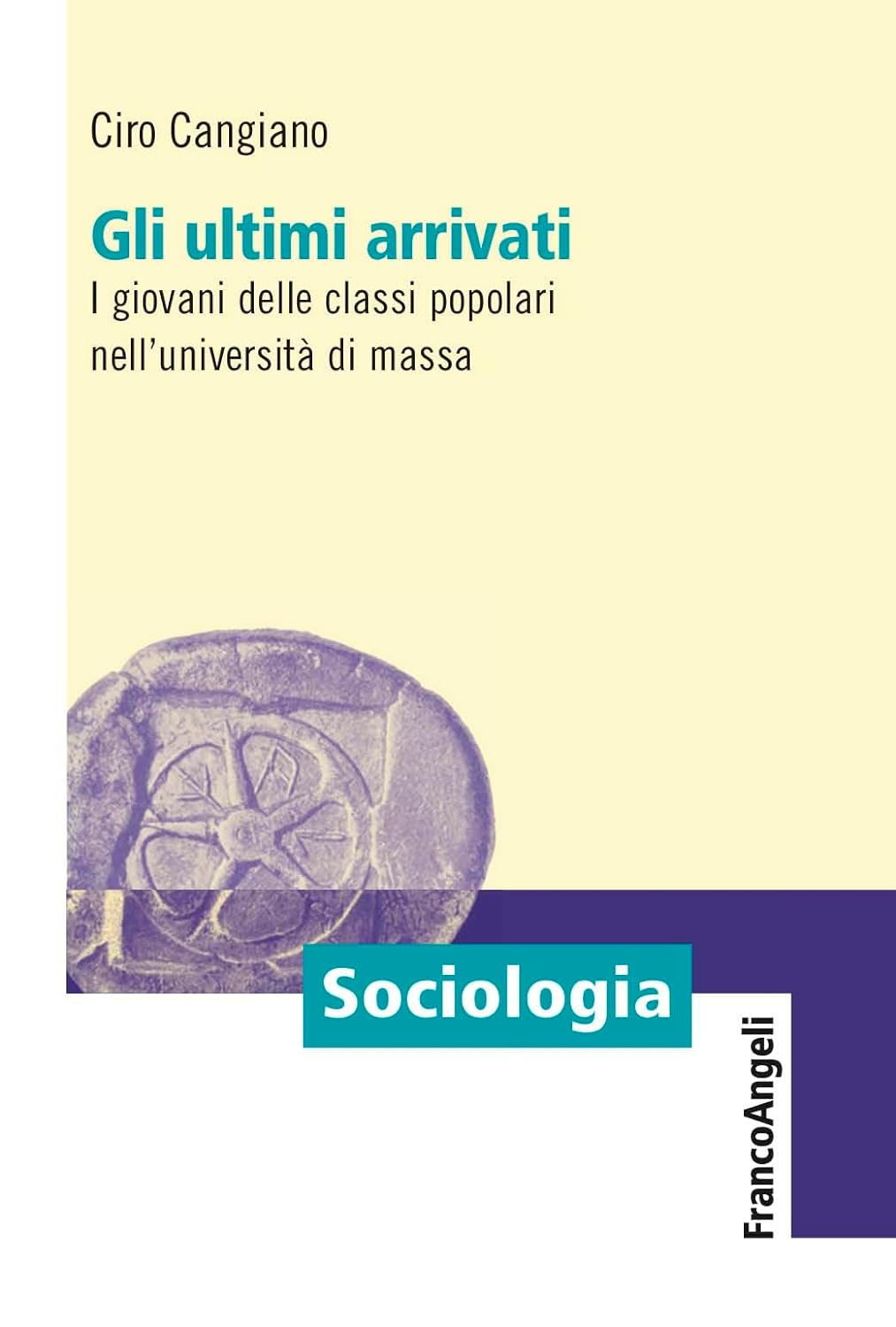
Today, therefore, the social dividing line should not be traced so much in access to higher education , but in the educational paths, study conditions, and concrete experiences of students. Through the stories of the young people encountered during the empirical research, we explore the ways in which those from socially marginalized backgrounds and families poorly equipped in terms of economic, cultural, and symbolic resources navigate the school-to-university transition and take their first steps into the world of tertiary education. These are the themes discussed in the text, which, through the adoption of a biographical approach, aims to demonstrate how, within the interplay of structural conditioning, spaces for the exercise of agency nevertheless open up.
Books for Christmas 2023... the sociology of fantasy football!
The next recommended book is "Sociology of Fantasy Football: Passion, Identity Representation, and Social Pathology" by Adriano Russo.
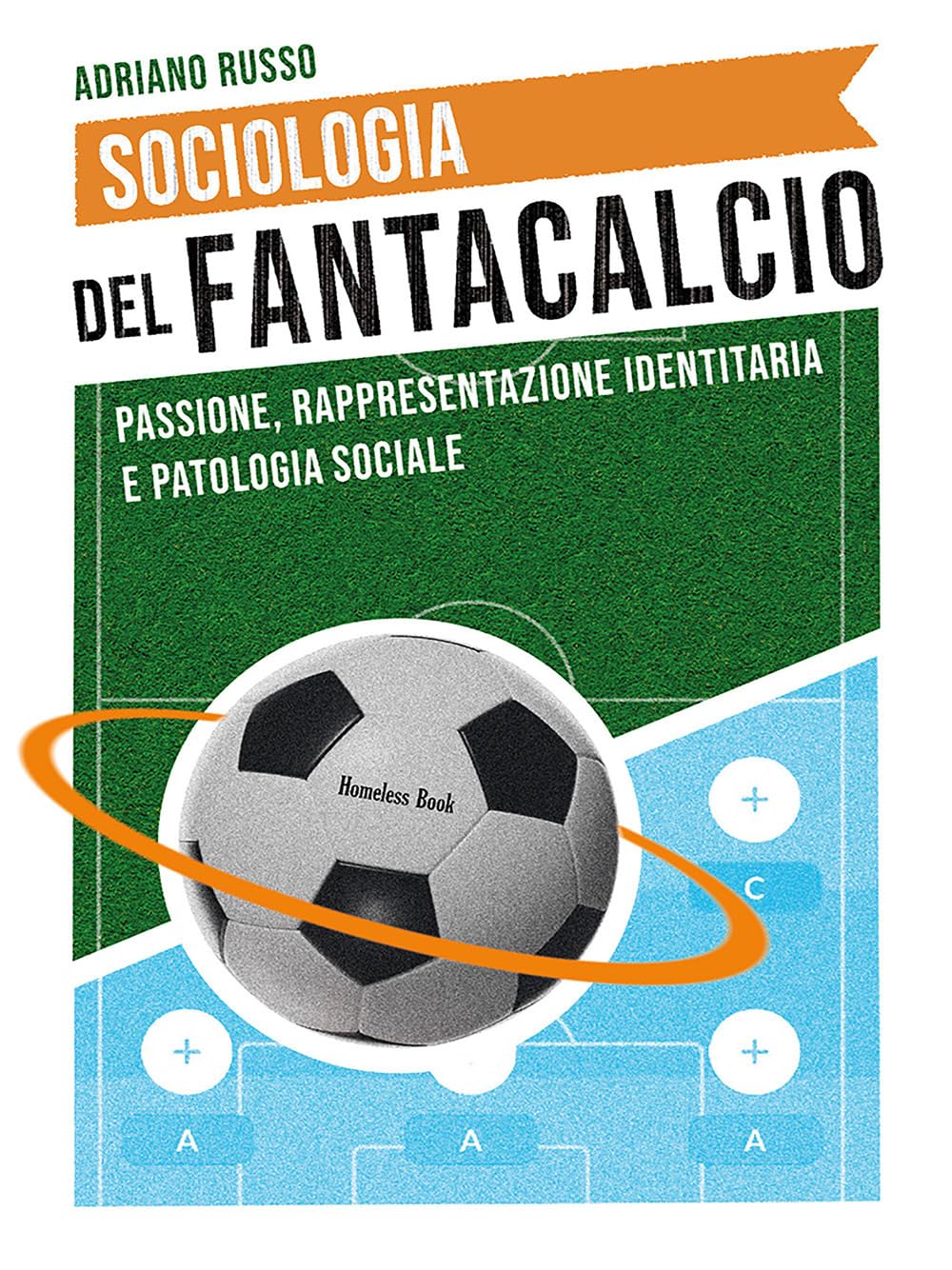
In this essay, through participant observation of the fantasy football universe, the author focuses on the symbolic ambivalence of the effects the game has on identity and the collective imagination. Although the approach to fantasy football appears to favor the development of impersonal, extemporaneous, almost "posed" and "harmless" relationships, the impact and emotional investment of participants in fantasy football is anything but harmless and predictable. The desire for revenge and domination, or the defeat of one's own team, are elements that can trigger conflictual reactions that even the Admin (fantasy football administrator/player) often struggles to contain.
Social tourism
The final book to consider for this #readingtips is "Social Tourism" by Arnaldo Alberti. Little-known, but no less destructive to the identity of those who practice it and, above all, those who suffer its effects, is social tourism. The term is used primarily to refer to programs and aspirations aimed at improving the living conditions of poor Third World societies , first plundered by Eurocentric colonialism, then by multinationals whose infinite capital at their disposal has continued to produce the same effects as the plundering of Europeans in the 19th and 20th centuries.
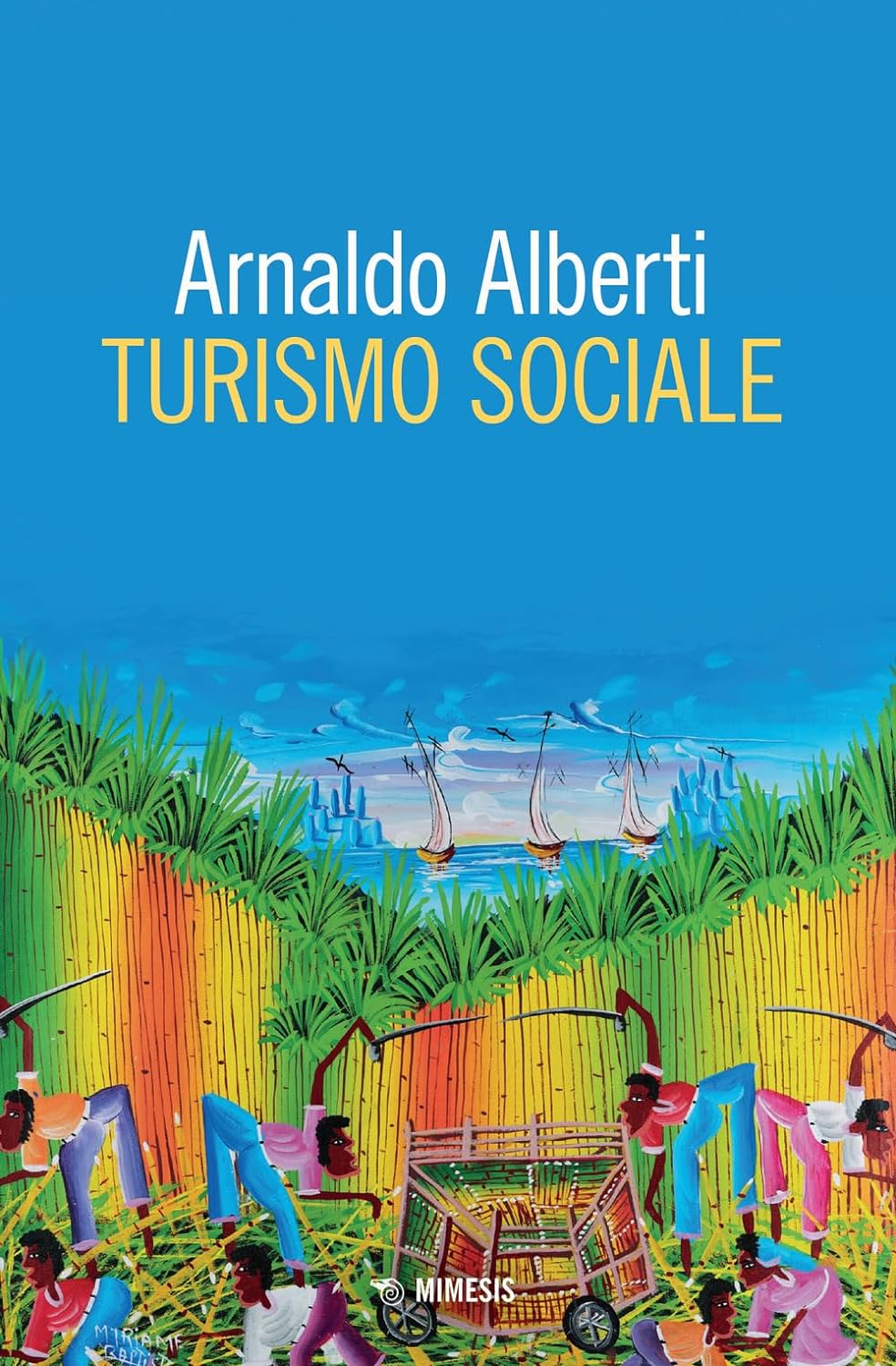
In this case, we see, on the one hand, a harsh criticism of the NGOs in the Mediterranean working to save thousands of migrants, mostly young people, who deprive their native country of the strength and energy needed for its rehabilitation; on the other, the insecurity and uncertainty among those who choose to engage in social tourism, which prompts reflection, whether profound or superficial, on our state of poverty and misery, when no one has come to us with sincere humanitarian intentions to help us.
Tourism, the Grand Tours, and more or less luxurious hotels, have transformed our people, particularly those of the Alpine valleys, from free farmers and artisans into reverent and servile waiters, always ready to bow before the foreign gentleman who hands out a tip. Sometimes, out of frustration, or an urgent desire for revenge, the servile and deferential waiter decides to turn the tables.
In turn, having achieved prosperity, the Swiss Italian also transforms into a social tourist . His cultural and political interests are more or less legitimate and well-founded, but they are sufficient to justify the subtle pleasure that generosity toward the poor exudes, like a perfume. It is, generally, a banal feeling of self-gratification for a supposed gift bestowed on others by someone who rarely or never perceives the dedication as the fruit of friendship or love.

Lecturer in Communications and HR Management. Journalist with a degree in Sociology (cum laude). Editor-in-Chief of Sociologicamente.it.
PUBLICATIONS | LINKEDIN


